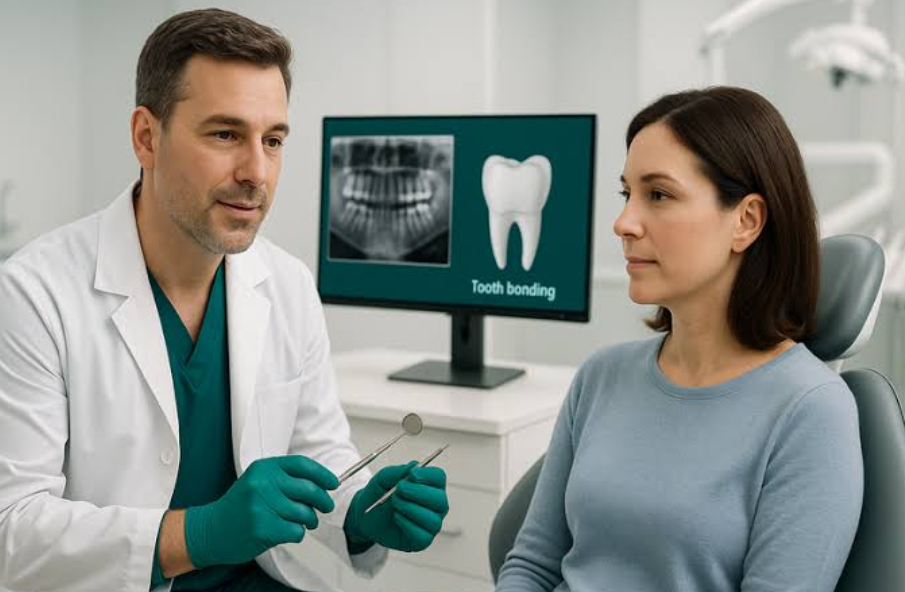
Understanding Dental Damage and Modern Solutions
Teeth endure remarkable forces throughout daily life, from biting into a crisp apple to grinding during sleep. Despite their impressive strength, they remain vulnerable to minor fractures and structural weaknesses that can compromise both function and appearance. When such damage occurs, modern dentistry offers elegant solutions that preserve natural tooth structure whilst restoring full functionality. Among these approaches, composite bonding Leeds has emerged as a particularly effective treatment for addressing minor dental imperfections without the need for invasive procedures.
The versatility of this treatment lies in its ability to repair chips, cracks, and areas of weakness using tooth-coloured resin materials that bond directly to the existing tooth structure. Unlike traditional restorations that often require significant removal of healthy tooth tissue, this approach works with what nature has provided, strengthening compromised areas whilst maintaining the integrity of the original tooth. For patients seeking composite bonding practitioners can offer treatments that blend seamlessly with natural dentition.
The Science Behind Composite Bonding Materials
Composite resin materials represent a sophisticated blend of plastic and glass particles designed to mimic the properties of natural tooth enamel. These materials have evolved considerably over recent decades, with modern formulations offering exceptional durability and aesthetic qualities. The bonding process relies on adhesive technology that creates a chemical bond between the resin and tooth structure, effectively becoming part of the tooth rather than simply covering it.
The strength of this bond is crucial for restoring function to damaged teeth. Research into dental composite materials has demonstrated their ability to withstand significant forces, making them suitable for repairing teeth subjected to regular chewing pressures. The materials can be layered and sculpted during application, allowing dental professionals to rebuild fractured edges and reinforce weakened areas with precision.
Common Causes of Minor Fractures and Structural Weakness
Understanding why teeth develop fractures and weaknesses helps explain why composite bonding proves so effective as a treatment. Several factors contribute to dental damage throughout life, many of which are entirely unavoidable despite excellent oral hygiene practices.
See also: Plumbing Repair Near Kansas City: Essential Checklist for Homeowners
Physical Trauma and Accidents
Unexpected impacts remain one of the most common causes of dental fractures. A fall, sports injury, or collision can cause immediate chipping or create microscopic cracks that weaken tooth structure over time. Even minor trauma can compromise the structural integrity of teeth, particularly along the biting edges where enamel is thinnest.
Dietary Factors and Wear Patterns
The foods and beverages consumed daily can gradually weaken tooth enamel through acid erosion or mechanical wear. Acidic drinks soften the protective enamel layer, whilst hard foods place excessive stress on tooth surfaces. Over years of exposure, these factors can create areas of structural vulnerability that become susceptible to fracturing under normal biting forces.
Bruxism and Excessive Forces
Teeth grinding and clenching, known as bruxism, subjects teeth to forces far exceeding those experienced during normal chewing. This repetitive stress can create hairline fractures and wear down protective enamel, leaving teeth structurally compromised. Many individuals remain unaware they grind their teeth, particularly during sleep, until visible damage appears.
How the Bonding Process Restores Dental Function
The application of composite bonding follows a methodical process designed to rebuild damaged tooth structure whilst preserving healthy tissue. The procedure begins with careful preparation of the affected area, ensuring the tooth surface is clean and properly conditioned to receive the bonding material. The composite resin is then applied in layers, with each layer being hardened using a specialised curing light before the next is added.
This layering technique allows dental professionals to recreate the natural contours and strength of the original tooth. Repairing chipped and cracked teeth with bonding restores the tooth’s ability to withstand normal biting pressures whilst protecting the underlying structure from further damage. The finished restoration is shaped and polished to match surrounding teeth, ensuring comfortable function during eating and speaking.
Long-Term Benefits for Dental Health
Beyond immediate aesthetic improvements, composite bonding provides lasting functional benefits for damaged teeth. By sealing exposed areas and reinforcing weakened structures, the treatment prevents further deterioration that might otherwise necessitate more extensive interventions. The bonded material protects sensitive inner tooth layers from temperature changes and bacterial infiltration, reducing discomfort and decay risk.
Patients who receive this treatment can expect their restored teeth to function normally for many years with appropriate care. Maintaining bonded teeth requires the same attention as natural teeth, including regular brushing, flossing, and dental examinations. The minimally invasive nature of the procedure means that tooth structure remains largely intact, preserving options for future treatments should they ever become necessary.
Final Thoughts on Functional Restoration
Composite bonding represents a remarkable convergence of material science and dental artistry, offering patients a conservative yet effective solution for restoring compromised teeth. Its ability to rebuild function whilst preserving natural tooth structure makes it an invaluable tool in modern dentistry, helping individuals maintain healthy, functional smiles despite the inevitable wear and occasional accidents that affect dental health throughout life.