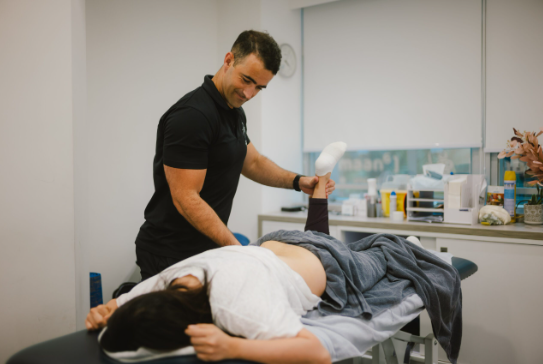
From weekend hikers on the Dragon’s Back to competitive runners training along the harbourfront, Hong Kong has a genuinely active population, and with that activity comes an inevitable share of strains, sprains, and overuse injuries. Chiropractic care has increasingly become part of the recovery toolkit for athletes and weekend warriors alike, offering a non-invasive option for managing pain and supporting the body’s return to full function. This article looks at how chiropractic treatment intersects with sports-related recovery.
Common Sports Injuries Seen in Clinical Practice
Runners frequently present with issues related to the lower back, hips, and knees, often stemming from repetitive impact and biomechanical imbalances. Cyclists, meanwhile, may develop tightness in the neck and shoulders from sustained riding positions, while those participating in racquet sports or football often deal with acute strains affecting the back or joints. Each of these presents differently, and treatment approaches are adjusted accordingly.
See also: How Invisalign Aligners Integrate with Restorative Dental Work for Comprehensive Treatment
The Link Between Biomechanics and Injury Risk
Many sports injuries are not purely the result of a single bad step or awkward landing, but rather the product of underlying biomechanical imbalances that place uneven stress on certain joints and muscle groups over time. Identifying and addressing these imbalances is often a key part of a chiropractor’s assessment, as correcting them can help reduce the likelihood of recurring injury.
How Chiropractic Care Supports Recovery
Chiropractic adjustments can help restore proper joint function and reduce compensatory strain that develops when an injury causes a person to alter their movement patterns. For athletes eager to return to their sport, this focus on functional movement, rather than just pain relief, is often what distinguishes chiropractic care from purely symptomatic treatment approaches.
Working Alongside Other Recovery Professionals
In many cases, chiropractic care works most effectively as part of a broader recovery plan that may also involve physiotherapy, strength conditioning, or guidance from a sports medicine physician. Clinics experienced in treating active individuals often coordinate with other professionals to ensure a well-rounded approach to recovery. Athletes looking for this kind of integrated support may want to explore chiropractor hong kong practices with experience in sports-related musculoskeletal care.
Prevention Strategies for Active Individuals
Beyond treating existing injuries, many chiropractors also emphasize preventive strategies, such as identifying muscle imbalances before they lead to injury, and advising on warm-up routines that prepare the body for the specific demands of a given sport. This proactive approach can be particularly valuable for those training for events like marathons or triathlons, where cumulative training load increases injury risk over time.
Returning to Activity Safely
One of the more delicate aspects of sports-related chiropractic care is guiding patients on when and how to safely resume their usual training intensity. Returning too quickly can risk re-injury, while an overly cautious approach can lead to unnecessary deconditioning, so clear communication between patient and practitioner throughout the recovery process is important.
Frequently Asked Questions
Can chiropractic care help prevent future sports injuries, not just treat existing ones? Yes, many practitioners incorporate assessments aimed at identifying biomechanical imbalances that could contribute to future injury, alongside treatment for current issues.
Is it safe to continue training while receiving chiropractic treatment? This depends on the nature and severity of the injury, and a chiropractor can typically advise on which activities are safe to continue and which should be modified or paused during recovery.
How soon after a sports injury should I consider seeing a chiropractor? For persistent pain or discomfort that does not improve with basic rest and self-care within a few days, seeking a professional assessment sooner rather than later can help prevent the issue from becoming chronic.
Conclusion
For Hong Kong’s active community, chiropractic care offers a valuable option for both recovering from sports-related injuries and addressing the underlying biomechanical factors that contribute to them. Combined with sound training habits and, where appropriate, collaboration with other healthcare professionals, it can play a meaningful role in helping athletes stay active and resilient.