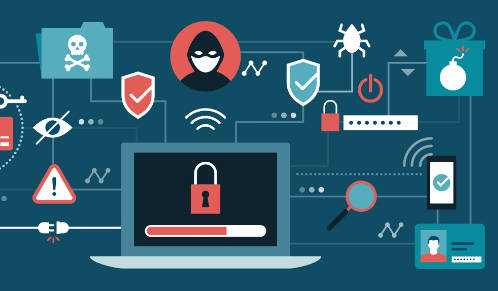
Cybersecurity threats are increasingly sophisticated and pervasive in today’s digital landscape. Phishing attacks exploit human psychology to extract sensitive data, while malware and ransomware pose severe data loss risks. Insider threats, often overlooked, arise from employee negligence or malicious intent. Additionally, Distributed Denial of Service (DDoS) attacks can cripple online services. Understanding these threats is essential for organizations aiming to enhance their defenses and ensure operational integrity. What measures can effectively mitigate these risks?
Phishing Attacks
Phishing attacks represent a significant threat in the realm of cybersecurity, characterized by deceptive tactics designed to manipulate individuals into divulging sensitive information.
These email scams utilize social engineering techniques to create a false sense of urgency, often impersonating trusted entities.
Effective awareness and training can empower users to recognize and thwart these malicious attempts, safeguarding personal and organizational data from exploitation.
Malware and Ransomware
Malware and ransomware represent critical threats in the cybersecurity landscape, with millions of attacks reported annually across various sectors.
Diverse malware types, including viruses, worms, and trojans, compromise systems, while ransomware encrypts data, demanding payment for recovery.
Effective ransomware recovery strategies are essential for organizations to mitigate damage, restore operations, and protect sensitive information from future exploitation.
Awareness and preparedness remain vital in this ongoing battle.
Read Also: Cloud-Based Software Solutions
Insider Threats
While external threats like malware and ransomware often dominate discussions surrounding cybersecurity, insider threats pose a significant and often more insidious risk.
These threats commonly arise from employee negligence, leading to data leakage that can severely compromise sensitive information.
Organizations must implement robust training and monitoring systems to mitigate the risks associated with insiders, ensuring a proactive stance against potential breaches.
Distributed Denial of Service (DDoS) Attacks
How can organizations safeguard their online presence against the growing threat of Distributed Denial of Service (DDoS) attacks?
Effective strategies include implementing robust network architecture to mitigate traffic flooding and utilizing rate limiting to control data flow.
Additionally, organizations should employ DDoS protection services that absorb excessive traffic, thereby preventing network congestion and maintaining service availability even during attacks, ensuring operational resilience.
Conclusion
In conclusion, the landscape of cybersecurity threats remains alarmingly dynamic, with phishing attacks accounting for over 80% of reported security incidents. Organizations must remain vigilant by prioritizing cybersecurity awareness and implementing comprehensive training programs to mitigate risks. As the proliferation of malware, insider threats, and DDoS attacks continues to challenge operational integrity, maintaining updated security protocols is essential. Failure to address these evolving threats could lead to significant financial and reputational damage, underscoring the critical need for proactive cybersecurity measures.