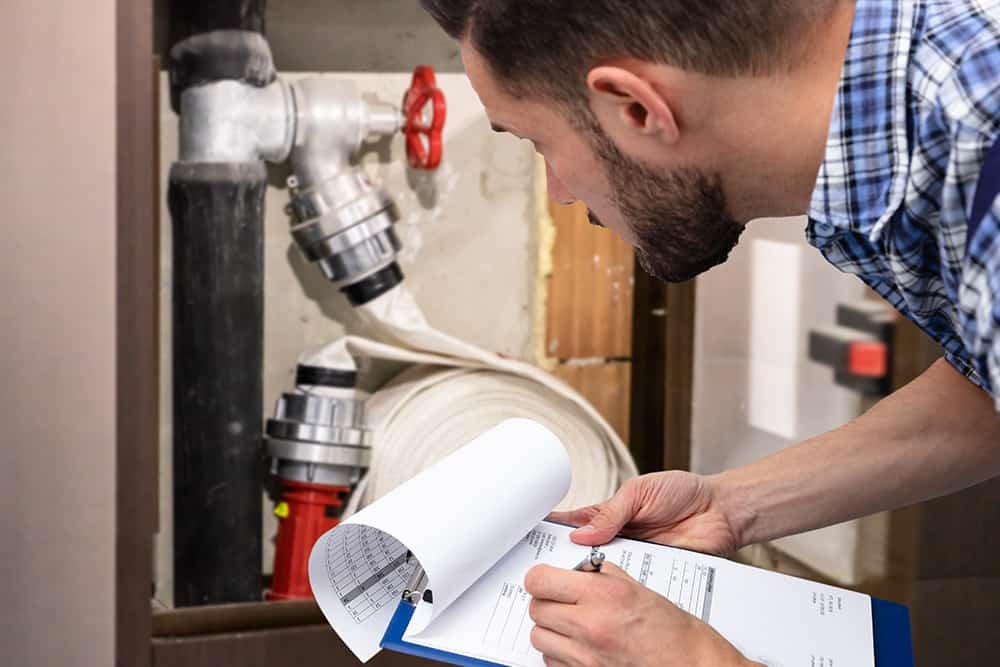
Fire risk assessment is a critical safety requirement for the hotels and hospitality industry. Hotels, resorts, restaurants, and guest houses accommodate large numbers of guests who may be unfamiliar with the building layout. Combined with 24-hour operations, cooking activities, and complex facilities, this makes effective fire risk assessment essential to protect lives, property, and business reputation.
Importance of Fire Risk Assessment in Hospitality Settings
The hospitality industry faces unique fire safety challenges. Guests are often asleep, distracted, or unaware of emergency procedures, increasing the risk during a fire incident. Fire risk assessment helps identify potential hazards and ensures that preventive and protective measures are in place.
A proper assessment reduces the likelihood of fire, supports safe evacuation, and ensures compliance with fire safety regulations. It also demonstrates a commitment to guest safety, which is vital for trust and brand reputation.
Legal Responsibilities in Hotels and Hospitality Businesses
Fire safety laws place responsibility on the person or organization in control of the premises. In hotels and hospitality settings, this may include owners, operators, hotel managers, or managing companies.
The responsible person must ensure that a suitable fire risk assessment is carried out, documented, and regularly reviewed. They are also accountable for maintaining fire safety systems, training staff, and implementing effective emergency procedures.
Identifying Fire Hazards in Hotels
Hotels contain a wide range of fire hazards due to diverse activities and facilities. Common ignition sources include electrical equipment, heating systems, kitchen appliances, laundry equipment, and decorative lighting.
Fuel sources may include furniture, bedding, curtains, carpets, paper materials, cleaning chemicals, and flammable liquids. Kitchens and food preparation areas present particularly high fire risk and require special attention during assessment.
See also: Consumer Technology Trends
Guests, Staff, and Other People at Risk
Fire risk assessment must identify all people who could be affected by a fire. This includes guests, staff, contractors, visitors, and event attendees.
Special consideration is required for guests who may be asleep, elderly, disabled, or unfamiliar with the building. Staff members working night shifts or in isolated areas must also be considered when planning evacuation and emergency response.
Fire Detection and Alarm Systems
Early detection is vital in hotels and hospitality premises. Fire alarm systems must be audible throughout the building, including guest rooms, corridors, kitchens, and service areas.
Alarm systems should be regularly tested and maintained to ensure reliability. Visual alarms may be necessary in noisy environments or to support guests with hearing impairments.
Escape Routes and Evacuation Planning
Safe evacuation is one of the most important outcomes of a fire risk assessment. Escape routes must be clearly marked, well-lit, and free from obstructions at all times.
Emergency exits should be easily accessible from guest rooms and public areas. Evacuation plans must be simple and supported by clear signage and instructions displayed in guest rooms and common areas.
Staff Training and Fire Safety Awareness
Staff play a crucial role in fire safety within the hospitality industry. Employees must be trained to respond quickly and calmly during fire emergencies.
Training should cover alarm response, guest assistance, evacuation procedures, and the use of firefighting equipment where appropriate. Regular drills help ensure staff confidence and readiness.
Firefighting Equipment and Passive Fire Protection
Hotels must be equipped with suitable firefighting equipment such as fire extinguishers and fire blankets. Equipment should be appropriate for the risks present and positioned in accessible locations.
Passive fire protection measures such as fire doors, compartmentation, and fire-resistant construction help limit the spread of fire and protect guests who may not be able to evacuate immediately.
Reviewing and Updating Fire Risk Assessments
Fire risk assessments in hotels must be reviewed regularly and updated whenever changes occur. Changes may include renovations, changes in occupancy levels, new facilities, or updated operational practices.
Regular reviews ensure that fire safety measures remain effective and aligned with the building’s use.
Conclusion
Fire risk assessment for hotels and the hospitality industry is essential for protecting guests, staff, and property. By identifying hazards, managing risks, training staff, and maintaining effective fire safety systems, hospitality businesses can create safer environments and comply with legal requirements. A proactive approach to fire risk assessment not only saves lives but also protects business continuity and reputation.