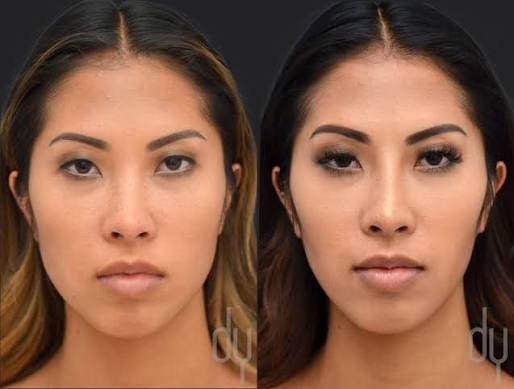
Among the many applications of Botox, masseter botox malaysia has emerged as one of the most sought-after treatments for individuals looking to achieve a slimmer, more oval face shape without surgery. This treatment targets the masseter muscles on either side of the jaw and has become increasingly popular across Malaysia.
The masseter muscles can become enlarged due to genetics, habitual teeth grinding (bruxism), or frequent chewing of hard foods. When these muscles are overdeveloped, they can give the lower face a wider, more square appearance. For many individuals who prefer a softer facial contour, this can be a source of self-consciousness.
Masseter Botox works by injecting botulinum toxin into the masseter muscles, causing them to relax and gradually reduce in size over time. Unlike surgical jaw reduction, this is a non-invasive procedure with no incisions, no general anaesthesia, and minimal downtime. Most patients are able to resume their daily activities immediately after the treatment.
The results of masseter Botox are not immediate. It typically takes four to six weeks for the muscles to begin reducing in size, with full results visible after two to three months. The degree of slimming achieved depends on the initial size of the masseter muscles and the dosage used by your doctor.
Masseter Botox also provides significant relief for patients suffering from bruxism. By reducing the activity of the masseter muscles, the treatment can alleviate jaw pain, headaches, and teeth wear associated with grinding. Many patients report improved sleep quality following the procedure.
The treatment typically needs to be repeated every four to six months to maintain results. However, with consistent treatment, the muscles may become progressively smaller over time, potentially allowing for longer intervals between sessions.
The safety and outcome of masseter Botox are highly dependent on the skill of the administering doctor. Proper injection technique is essential to avoid complications such as asymmetry or unintended effects on nearby muscles. Always seek treatment from a qualified aesthetic doctor with specific experience in this procedure.
In Malaysia, this treatment is widely available at reputable aesthetic clinics in Kuala Lumpur and major urban centres. Prices vary, but the investment is generally considered worthwhile given the significant visual improvement and the therapeutic benefits it offers.
Clinical considerations
The masseter is a chewing muscle at the angle of the jaw. In selected patients, reducing its activity may soften the appearance of a prominent lower face, but jaw shape also depends on bone structure and fat distribution. Results are gradual and vary; an assessment is needed to determine whether the muscle is actually the main contributor.
Choosing a suitable approach
Jaw clenching, tooth grinding and facial discomfort have several possible causes. An injection is not a replacement for dental evaluation, especially when there is tooth damage, pain or a suspected sleep-related problem. Patients should explain their symptoms rather than assuming that a cosmetic jawline treatment will address an underlying condition.
Risks and realistic expectations
Potential trade-offs include chewing fatigue, asymmetry and an unwanted change in facial contour. The clinician should discuss the possibility of repeat treatment and the fact that the effect is temporary. Before-and-after photographs should be interpreted carefully because camera angle, facial expression and weight changes can alter appearances.
Evaluating claims and costs
Before agreeing to a package, check the treatment name, product or device, number of proposed visits, likely maintenance and total cost. Ask whether published photographs reflect typical results and whether they were taken under comparable conditions. The strongest decision is an informed one that weighs the possible benefit against expense, inconvenience and medical risk.
Making the consultation useful
Bring a list of medicines, allergies, prior procedures and the outcome you hope to achieve. Explain any previous adverse reactions and ask which alternatives are available, including the option of no procedure. A careful practitioner should explain uncertainty rather than promising a fixed result. Request written instructions and a clear route to contact the clinic if symptoms develop after treatment.
Questions to discuss before proceeding
Ask the treating clinician to explain the expected course in plain language, including alternatives, circumstances that would make treatment unsuitable, and the signs that need urgent attention. The consultation should leave enough time for questions and an unpressured decision. Individual responses vary, so treatment plans should be reviewed rather than repeated automatically.
Clinical suitability depends on an individual assessment. Treatment responses, recovery periods and adverse effects differ between patients; the availability, regulatory status and suitability of any procedure or prescription medicine should be confirmed with a qualified Malaysian healthcare professional. Information here is educational and does not establish a guaranteed result.