Understanding the Urgency of Dental Crises
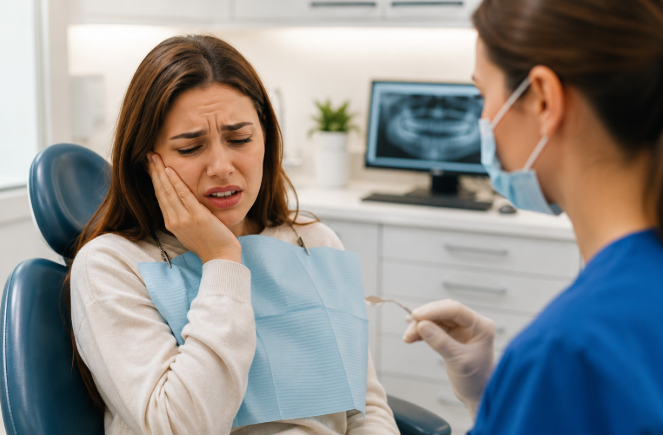
Dental pain has a rather uncanny ability to strike at the most inconvenient moments, transforming a perfectly pleasant evening into an ordeal of discomfort. Yet not every twinge or ache constitutes a genuine emergency. Understanding the distinction between a dental concern that can wait until morning and one that demands immediate attention from an emergency dentist Bournemouth can prove invaluable, potentially saving teeth, preventing complications, and alleviating unnecessary suffering.
The confusion surrounding dental emergencies stems partly from the subjective nature of pain and partly from a lack of clear guidance about what truly warrants urgent care. Whilst a persistent toothache might feel catastrophic at three o’clock in the morning, it may not necessarily require the same immediate intervention as a knocked-out tooth. Recognising the signs of a genuine dental emergency empowers individuals to make informed decisions about their oral health and seek appropriate care when it matters most.
Recognising Genuine Dental Emergencies
Knocked-Out Teeth Require Swift Action
Perhaps the most unambiguous dental emergency involves a tooth that has been completely dislodged from its socket. Time becomes absolutely critical in these situations, as the chances of successfully reimplanting the tooth diminish rapidly with each passing hour. According to NHS guidance on dental emergency definitions, avulsed teeth represent urgent cases requiring immediate professional attention. The tooth should be handled carefully by the crown, rinsed gently if soiled, and ideally placed back into the socket or stored in milk whilst seeking emergency treatment.
Severe Bleeding That Won’t Stop
Uncontrolled bleeding from the mouth following an injury, extraction, or seemingly spontaneous occurrence constitutes another clear emergency. Whilst minor bleeding after dental procedures is expected, persistent bleeding that continues for more than twenty minutes despite applying pressure warrants immediate professional evaluation. This situation could indicate complications with clotting, damage to blood vessels, or other underlying conditions requiring prompt intervention.
Infections Showing Signs of Spreading
Dental infections demand respect and attention, particularly when they exhibit signs of spreading beyond the immediate area. Swelling that extends to the face, neck, or jaw, accompanied by fever, difficulty swallowing, or breathing problems, represents a serious medical emergency. These symptoms suggest an abscess that could potentially compromise airways or spread to other parts of the body. Such situations require immediate care from an emergency dentist residents can access for urgent treatment.
Situations That Are Urgent But Not Immediate Emergencies
Certain dental problems, whilst certainly requiring prompt attention, may not necessitate an immediate dash to the emergency dentist. A cracked or chipped tooth without severe pain, for instance, should be addressed within a day or two but rarely constitutes a middle-of-the-night emergency. Similarly, a lost filling or crown, whilst uncomfortable and requiring repair, can typically wait until normal surgery hours if managed carefully in the interim.
The American Dental Association’s comprehensive guide to dental emergencies provides useful information for distinguishing between various levels of urgency. Persistent toothaches, particularly those accompanied by sensitivity to temperature or pressure, merit professional evaluation but may not require immediate emergency care unless the pain becomes unbearable or swelling develops.
Taking Appropriate Action When Emergencies Strike
When faced with a genuine dental emergency, remaining calm whilst acting swiftly produces the best outcomes. Professional guidance from dental emergency treatment protocols emphasises the importance of contacting a dental professional immediately to describe the situation and receive specific instructions tailored to the circumstances.
Many dental practices maintain emergency contact numbers for after-hours situations, and understanding these resources before an emergency occurs can save precious time. For those seeking an emergency dentist offers various options for urgent care, ensuring that help remains accessible when dental crises arise.
Making Informed Decisions About Dental Emergencies
Distinguishing between true dental emergencies and problems that can wait ultimately comes down to recognising warning signs such as uncontrolled bleeding, severe swelling, knocked-out teeth, and signs of spreading infection. These situations demand immediate professional intervention, whilst other dental concerns, though uncomfortable, can typically be managed until regular surgery hours. Understanding these distinctions ensures appropriate care whilst avoiding unnecessary panic during dental health challenges.